

Your foundation isn’t breaking you out. Probably. Most people blame the wrong thing first — they switch products, go bare-faced for two weeks, skin clears up, and assume makeup was the villain. Sometimes it is. More often, it’s the brushes, the application order, or one specific ingredient buried on line fourteen of the ingredients list that’s been quietly clogging pores for months.
The Ingredient List Is Where It Actually Starts
Comedogenicity ratings exist for a reason — ingredients get scored 0 to 5 based on how likely they are to block pores. Coconut oil scores a 4. It’s everywhere right now, in primers, in cleansers, in “natural” foundations people buy specifically because they think it’s gentler on acne-prone skin. Isopropyl myristate is another one. Shows up in a lot of silky, skin-feel products and carries a comedogenic rating of 5. Algae extract. Wheat germ oil. D&C Red dyes. These aren’t obscure — they’re common, and cosmetic brands aren’t required to flag them.
Looking for “non-comedogenic” on the label helps, but that claim isn’t regulated. A brand can print it on anything. What actually matters is reading the first ten ingredients, because that’s where concentration lives. If coconut oil is ingredient three, the non-comedogenic label on the front is basically decoration.
Comedogenic scale: 0 (won’t clog) → 5 (highly likely to clog)
Will Almost Certainly Clog Pores (Rating: 4–5)
| Ingredient | Rating | Where You’ll Find It |
|---|---|---|
| Isopropyl Myristate | 5 | Silky primers, skin-feel foundations |
| Myristyl Myristate | 5 | Moisturizers, heavy creams |
| Wheat Germ Oil | 5 | “Natural” skincare, serums |
| Algae Extract | 5 | Anti-aging products, toners |
| Isopropyl Palmitate | 4 | Foundations, lotions |
| Coconut Oil | 4 | Natural foundations, cleansers, primers |
| Cocoa Butter | 4 | Body lotions, lip products |
| Acetylated Lanolin | 4–5 | Moisturizers, lip balms |
| D&C Red Dyes | 4–5 | Tinted products, lip colors |
| Sodium Lauryl Sulfate | 5 | Cleansers, foaming washes |
Moderately Comedogenic — Use With Caution (Rating: 2–3)
| Ingredient | Rating | Where You’ll Find It |
|---|---|---|
| Lanolin | 3–4 | Lip products, rich moisturizers |
| Almond Oil | 2 | Face oils, serums |
| Apricot Kernel Oil | 2 | Light moisturizers, cleansing oils |
| Avocado Oil | 2 | Natural moisturizers, hair products |
| Butyl Stearate | 3 | Foundations, lip products |
| Cetyl Acetate | 4 | Conditioners, emollients |
| Soybean Oil | 3 | Moisturizers, “natural” makeup |
Generally Safe for Acne-Prone Skin (Rating: 0–1)
| Ingredient | Rating | Why It Works |
|---|---|---|
| Zinc Oxide | 0 | Anti-inflammatory, sits on skin surface |
| Titanium Dioxide | 0 | Doesn’t absorb into pores |
| Niacinamide | 0 | Actively helps reduce pore appearance |
| Hyaluronic Acid | 0 | Water-based hydration, lightweight |
| Salicylic Acid | 0 | Exfoliates inside pores |
| Glycerin | 0 | Lightweight humectant |
| Squalane | 1 | Mimics skin’s natural sebum |
Your Brushes Are Probably the Problem
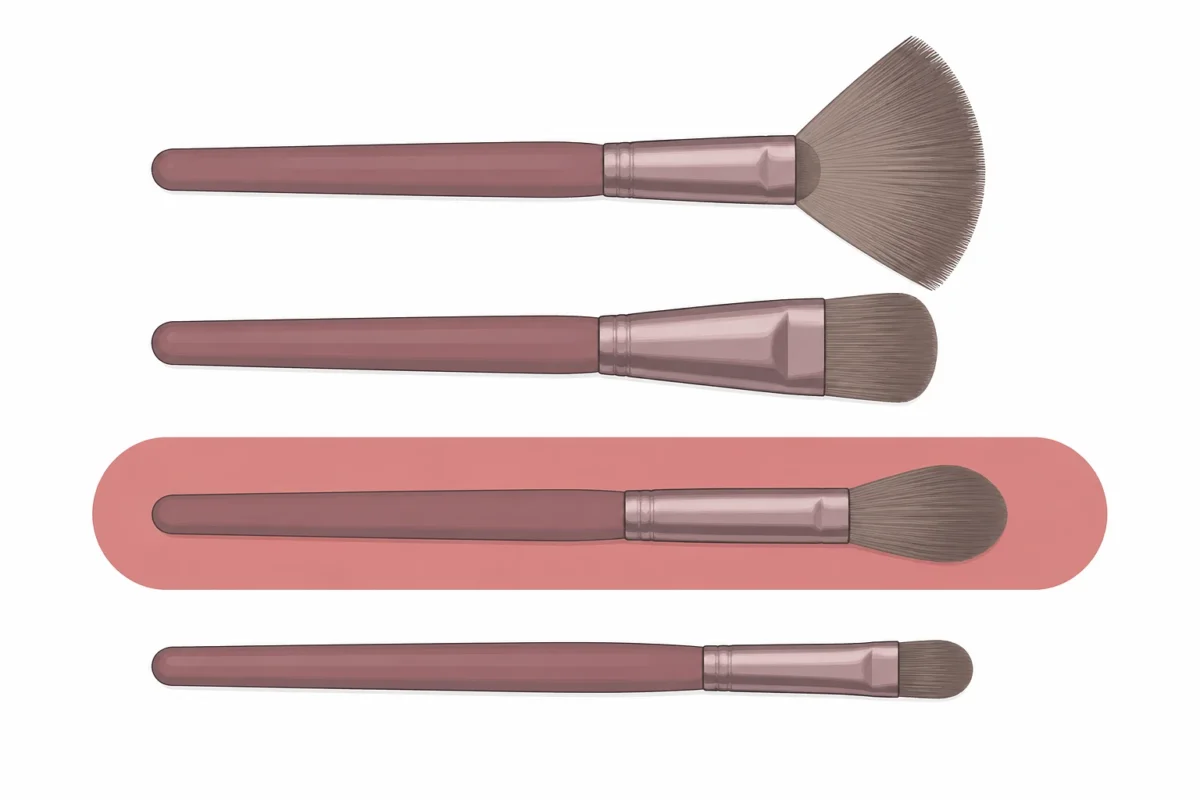
Application matters more than people want to hear because it means changing habits. Fingers transfer bacteria. A beauty blender that’s been sitting damp in a bag transfers bacteria plus mold, which is its own problem entirely. Brushes need washing — not monthly, weekly if you’re using them daily. Synthetic bristles harbor fewer bacteria than natural hair brushes, and they don’t absorb as much product, which means you’re not pressing a week’s worth of old foundation into skin every morning.
Before Foundation Even Goes On
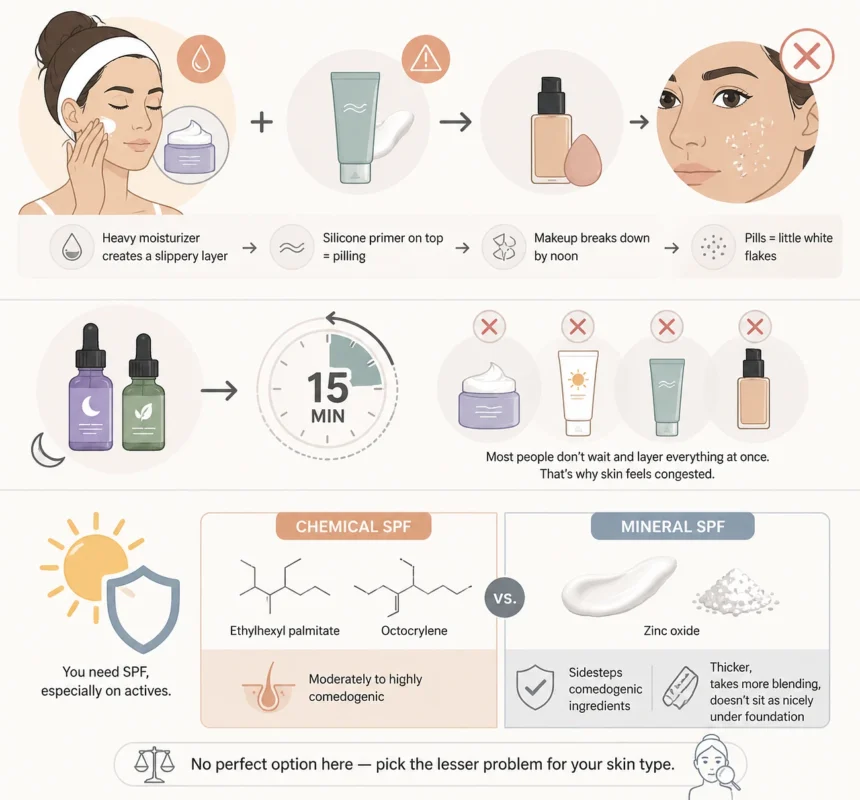
The moisturizer thing trips people up constantly. Put something heavy on before foundation, and you’ve basically built a surface that wasn’t designed to hold makeup — it shifts, breaks down by noon, and if a silicone-based primer goes on top, it pills. Little white flakes of product rolling off your face mid-morning.
Retinoids and azelaic acid need actual absorption time before anything goes on top. Fifteen minutes, minimum. Most people don’t wait — they moisturize, go straight to SPF, then primer, then foundation in one continuous motion, and then spend weeks wondering why skin feels congested. The routine looks right on paper, but the order isn’t working.
The SPF situation is its own headache. You need it, especially on actives that make skin photosensitive — which is most of them. But a lot of chemical sunscreen ingredients, ethylhexyl palmitate and octocrylene specifically, sit in the moderately-to-highly comedogenic range. Mineral SPF with zinc oxide sidesteps that. It’s thicker, takes more blending, and doesn’t sit as nicely under foundation. No perfect option here — pick the lesser problem for your skin type.
Check the Jar Symbol
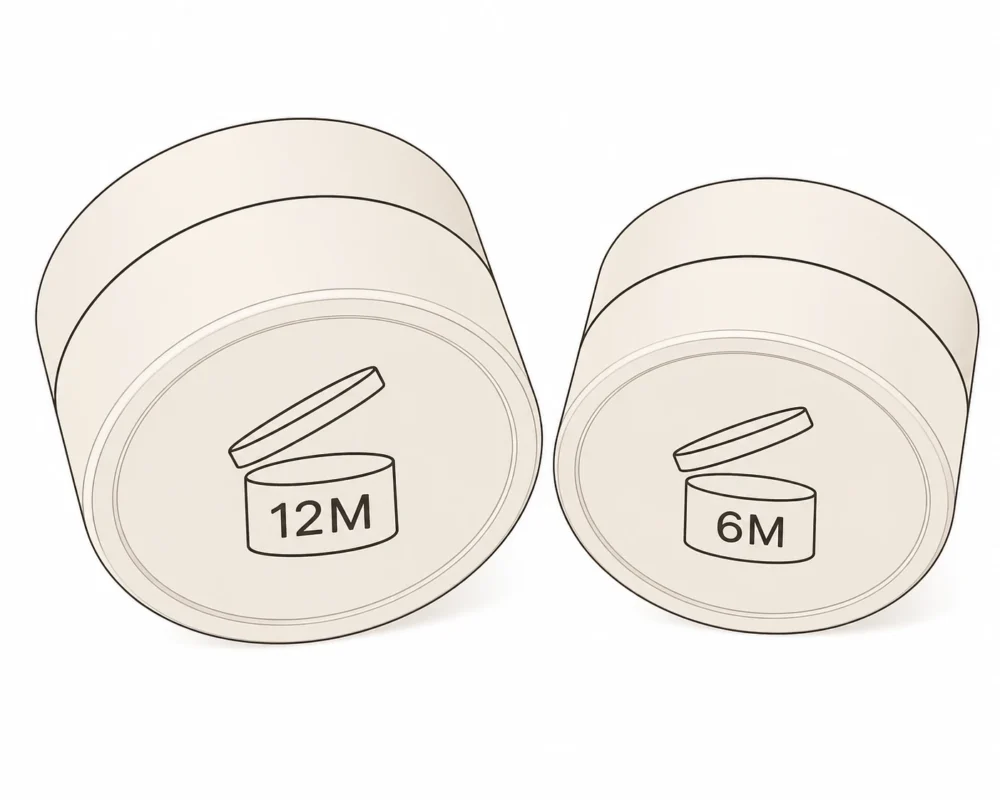
Expiration dates on makeup are real and mostly ignored. Mascara is the famous one — three months, then done, because eye infections are worse than feeling wasteful. Foundation: twelve months once opened. Concealer is the same. Old product grows bacteria, and if you’re already dealing with inflamed skin, that’s not helping. The small symbol on most packaging that looks like an open jar with a number — “12M” or “6M” — that’s the period-after-opening date. Most people have never looked at it.
What Really Helped Me
Tretinoin purge is no joke. First four weeks on it, my skin looked genuinely worse than before I started — more congested, more texture, and I completely panicked and blamed everything else. Switched my cleanser, stopped a serum, started questioning my foundation. All of it pointless. The tretinoin was just doing what tretinoin does.
What I’ve found actually helps at home is embarrassingly simple. Ice wrapped in a cloth on active, inflamed spots for a few minutes brings swelling down faster than anything I’ve bought. A clean pillowcase every two to three days — not weekly, the packaging recommendation on most laundry tabs isn’t written for acne-prone skin. And keeping hands off completely, which sounds obvious, but I’d absentmindedly touch my jaw while reading and not even notice.
The other thing nobody really tracks is diet timing. Not in a “cut out dairy” way because that’s different for everyone, but I noticed my skin was consistently worse about three days after I’d eaten badly — heavily processed stuff, lots of sugar. Three days later, not the next morning. Once I made that connection, I stopped expecting instant results from any one change and started looking at patterns over weeks instead.
Honestly, the biggest shift was accepting that skin has its own cycle and most of what feels urgent — a new product, a new routine — takes at least six weeks to show anything real. That’s harder than any ingredient list.