

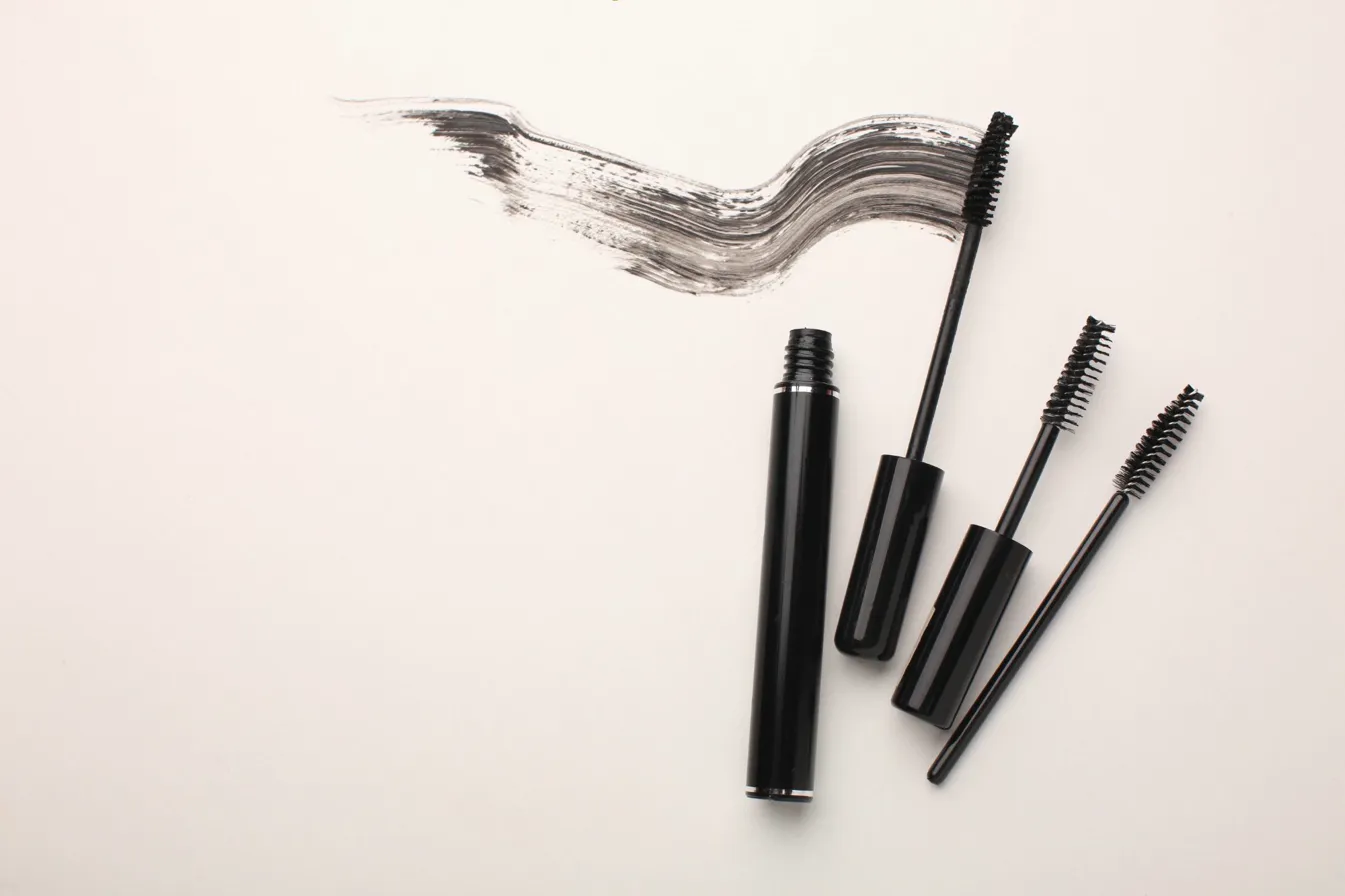
Launching a line of mascara typically kicks off with product concepts, packaged ideas, and perhaps a mood board that’s been saved onto the phone. But the discussion, very soon, becomes practical. The selection of a mascara supplier is likely to influence how smoothly things go, from initial samples to the moment customers twist open that tube for the first time. When the aim is to create an eye product that’s representative of a personal brand or expanding beauty business, the manufacturing partner behind it becomes crucial.
How much formulation expertise does your partner actually bring?
Mascara formulas behave in very specific ways once they leave the lab. You might notice that one version feels creamy during application but dries too fast, while another wears comfortably yet smudges by midday. These details come down to formulation experience.
A capable maker can explain why a formula flakes on straight lashes or why a certain wax blend feels heavier at night events than during daytime wear. For business founders tied closely to their image, such as athletes or public figures, those small performance differences show up fast in real life, not just in testing notes.
Can they support regulatory and labeling requirements without slowing you down?
Eye products are subject to a higher level of scrutiny compared to many other cosmetics. In the United States, brands must comply with regulations such as the FDA’s cosmetics labeling requirements, which affect ingredient disclosure and packaging language. This usually surfaces during proofing, sometimes later than expected.
When a manufacturer is already familiar with these standards, the back and forth tends to feel more controlled. Instead of last-minute rewrites, timelines often stay intact, which matters if a launch is tied to a media appearance or online drop.
Are customization options real or just surface-level?
Customization can sound impressive until development begins. You might experience a situation where only the label changes while the brush and formula stay fixed. True flexibility shows up when adjustments are possible after initial testing.
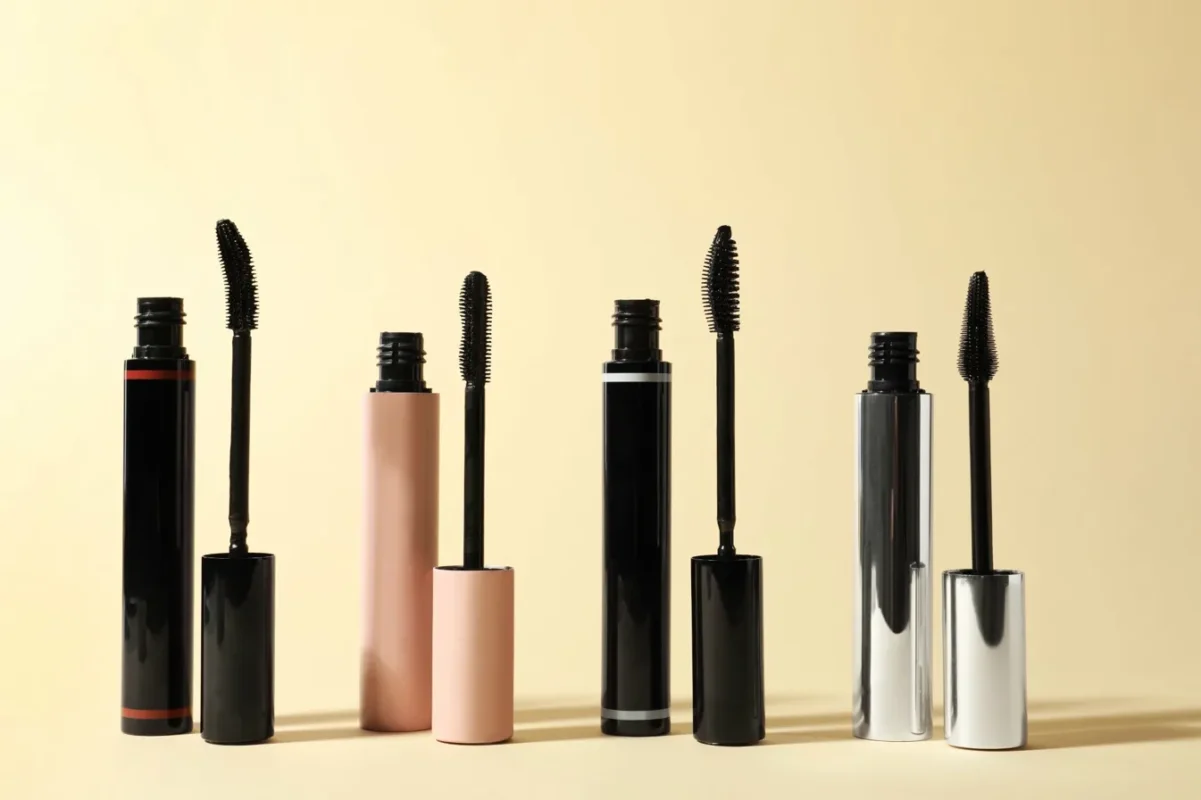
If you’re thinking of building a performance-focused beauty line, you may want a mascara that resists humidity during workouts. You might also want to release one with a softer volume that builds slowly for everyday routines. Such differences require a manufacturer with the capacity to fine-tune textures, brush shapes, and formula performance.
How scalable is their production when your brand grows?
Scalability becomes visible when reorders arrive sooner than planned. A supplier needs to increase volume without altering texture or wear, because customers notice differences even when packaging stays the same.
Do they understand eye cosmetics beyond mascara?
Mascara rarely stays alone for long. Many beauty lines expand naturally into liners, brow products, or eyeshadows. Working with a partner familiar with multiple eye categories can make those transitions feel less fragmented. The textures align better. Packaging looks intentional. This keeps the brand story cohesive—something readers and buyers often sense, even if they cannot name why.
Are communication and development timelines realistic?
Reasonable timelines determine how well your mascara line goes down. As development steps are clearly advised and updates arrive promptly, planning is easier for launches, marketing, and reorder without the last-minute rush. Straightforward, plain-talking allows the process to flow smoothly and prevents hiccups that can delay your beauty line.
If you are building a mascara line, working with experienced manufacturers like MPlus Cosmetics can help turn your ideas into reliable, finished formulas.