

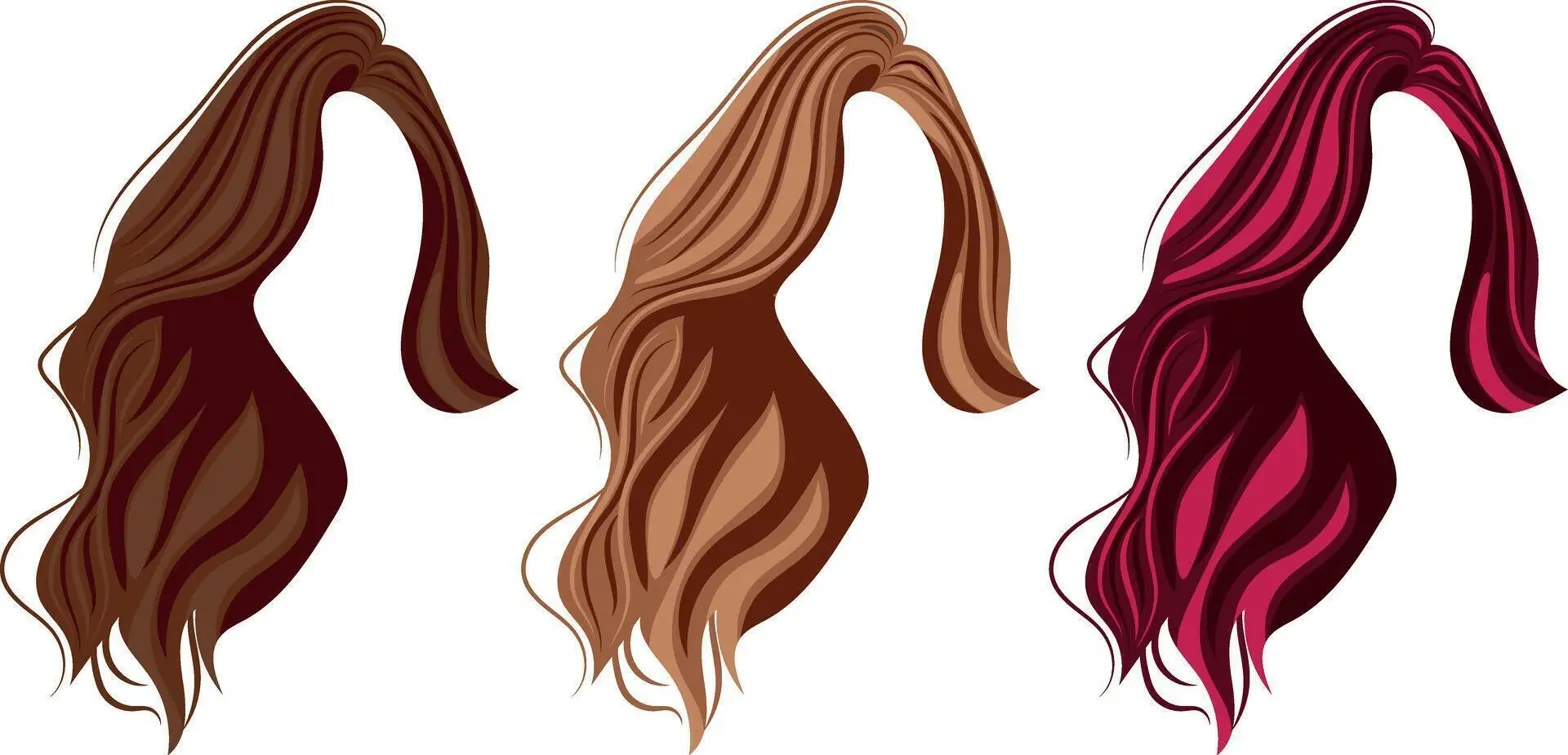
Choosing the right color of Halo hair extensions can completely change how natural hair looks and feels. The right shade blends smoothly, adds depth, and brings out natural tones without permanent color treatment. The best color match makes extensions look like part of the hair instead of a separate piece.
This article explains how to find that perfect match through simple and effective steps. It covers selecting shades in natural light, matching extensions to mid-lengths and ends, and avoiding tones that clash with natural color. Each tip helps make the process clear and easy to follow for a seamless, natural finish.
1. Match extensions to the mid-lengths and ends of your natural hair for a seamless blend
The most natural look starts with matching the extensions to the color of the hair from the mid-lengths to the ends. These areas show the most and determine how smoothly the extensions blend in. Roots often differ in tone or shade, so matching them can cause a mismatch once the hair moves or catches light.
To create a consistent flow, compare the extensions to the hair under natural lighting. This step helps reveal undertones that may appear warmer or cooler in different settings. People who buy realistic blonde hair extensions should check for subtle shade differences between platinum, ash, or golden tones before committing.
It also helps to section the hair and hold small pieces of the extensions beside it. This comparison gives a clearer picture of how the colors mix once placed. A close color match keeps the final style polished, natural, and easy to maintain.
1. Use natural light to compare and select the closest shade to your hair tone
Natural light reveals the true color of both natural hair and extensions. Indoor lighting or store bulbs can distort tones, making shades look warmer or cooler than they really are. A well-lit window or outdoor daylight helps show how each color blends with real hair.
It helps to hold a small section of extensions next to the mid-lengths and ends of the hair. Those areas usually show the most accurate tone, since roots often appear slightly darker. This step helps spot any difference before attaching the extensions.
Comparing hair in natural light also helps identify undertones. Some hair reflects more gold, red, or ash tones, and viewing it in daylight makes these differences clearer. By checking shades this way, a person can narrow their choice to the most natural and seamless match.
1. Choose 100% human hair extensions for the most natural appearance and styling flexibility
100% human hair extensions create a smooth, lifelike blend with natural hair. They reflect light in the same way as real strands, so the finished look appears undetectable. Synthetic hair, on the other hand, can appear overly shiny or stiff, which makes the color match less accurate.
Human hair also allows far more flexibility in daily care. It can be straightened, curled, or dyed without damage when handled correctly. This gives wearers freedom to change styles and tones as their preferences evolve.
Because human hair reacts to products and heat in the same way as real hair, the final hairstyle feels soft and natural. The color blends evenly, and the movement stays fluid rather than rigid. For anyone seeking an authentic result, human hair extensions remain the best choice for both appearance and ease of styling.
1. Avoid shades that are too bright or dark to prevent noticeable contrast
A color that differs too much from a person’s natural hair can make halo extensions stand out instead of blending smoothly. Very bright or very dark shades often create a harsh contrast under natural light. Soft, balanced tones help the extensions merge with the original hair more naturally.
It helps to compare the extension color to the hair in daylight rather than indoor light. Indoor lighting can distort how colors appear. Natural light gives a clearer view and makes it easier to choose a closer match.
Extreme light or deep tones may also highlight texture differences. Hair and extensions can reflect light differently, which draws attention to any mismatch. Choosing a shade that falls within a similar brightness range produces a more even look.
As a rule, matching the color to the mid-tones of the natural hair instead of the highlights or roots often gives the smoothest blend and the most flattering finish.
1. Consider using color rings or swatches to refine the perfect match
A color ring or swatch set helps people see how different shades look next to their natural hair. Each sample includes small strands that show a true version of the color, making it easier to compare tones under natural light. This hands-on approach often gives a more accurate match than guessing from photos.
A person can hold the swatches near the mid-lengths and ends of the hair, since these areas usually show the truest shade. If the hair looks lighter at the bottom, it may help to mix two colors to create a more even blend. Small differences in tone can change how seamless the extensions appear.
Professionals often use color rings to avoid wrong selections and reduce the need for exchanges. By seeing the shades side by side, users develop confidence in their choice. Taking a few minutes to compare swatches can make the extensions blend more naturally with the rest of the hair.
Conclusion
Choosing the right color of Halo hair extensions takes observation and patience. A shade that blends well with natural hair creates a seamless and consistent appearance. Small details such as tone, undertone, and light reflection often make the difference between a natural match and a noticeable contrast.
Professional advice helps those uncertain about their shade find a closer match. Comparing hair in natural light also helps spot small color variations missed under indoor lighting.
Color selection should match both hair type and style goals. For example, highlights add depth, while a uniform tone creates a smooth, polished finish.
A careful choice gives the most natural result. Paying attention to texture, tone, and maintenance keeps color harmony intact and supports a balanced, realistic look.