
We all have a beauty origin story. It might start with borrowing your mom’s lipstick, experimenting with hair clips, or desperately trying to tame your eyebrows before picture day. Personal style doesn’t appear overnight — it evolves through phases, mistakes, and small victories that eventually shape the look you carry with confidence today.
Looking back at how your beauty choices have changed over time is more than just nostalgia. It is a way to appreciate your growth, recognize what makes you feel confident, and understand why certain looks still resonate with you.
Your First Beauty Experiments
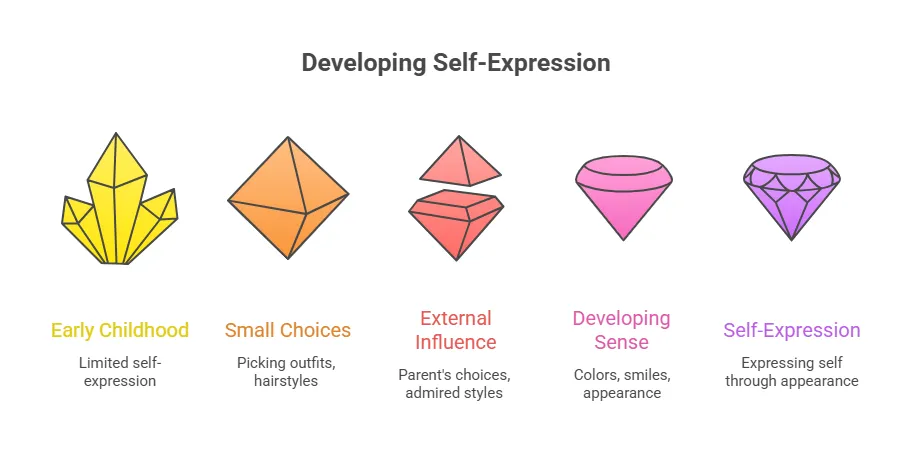
Think about your earliest memories of caring about how you looked. For most people, it starts young — picking out outfits for the first day of school, asking for a specific haircut, or copying a style you admired on someone older. These small choices were the beginning of self-expression through appearance.
Those early moments often left a bigger mark than we realize. The hairstyle your parent chose for you, the colors you were drawn to, and even how you smiled for the camera all contributed to your developing sense of self.
Why Old Photos Matter for Your Style Identity
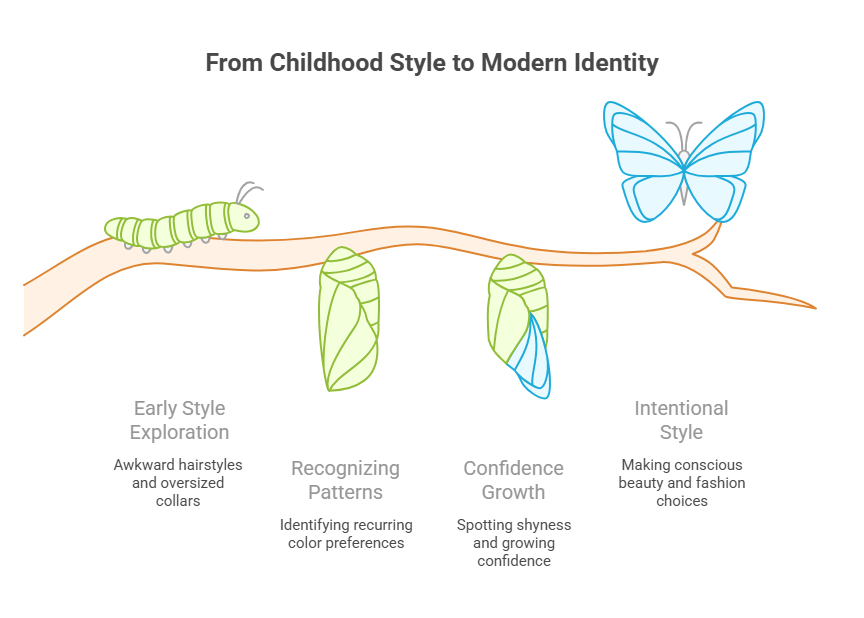
There is something powerful about flipping through old photographs and seeing how your look has changed. Going through an elementary school yearbook can be surprisingly eye-opening — not just for the awkward hairstyles and oversized collars, but for the confidence (or shyness) you can spot in your own expression. Those early photos capture a version of you that was just beginning to figure out personal style, and comparing that to who you are now highlights how far your beauty journey has come.
Old photos also reveal patterns. Maybe you have always gravitated toward bold colors, or perhaps minimalism has been your thing since childhood without you even knowing it. Recognizing these patterns can actually help you make more intentional beauty and fashion choices today.
The Phases Everyone Goes Through
Most beauty journeys follow a loose timeline of experimentation:
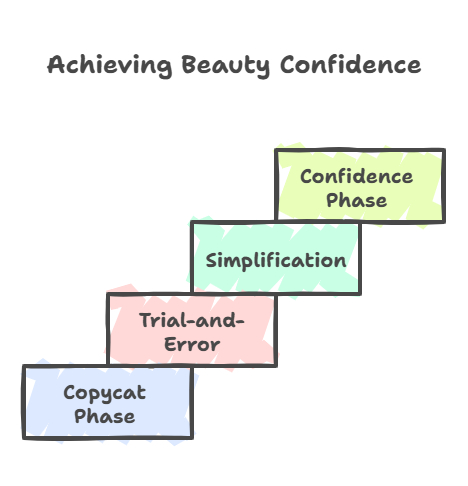
- The copycat phase — imitating a friend, older sibling, or celebrity. This is where most people first start thinking about beauty as a choice rather than something that just happens.
- The trial-and-error phase — over-plucked eyebrows, questionable hair dye, foundation that didn’t match. Everyone has at least one beauty decision they laugh about now. These “mistakes” are actually valuable because they teach you what works for your features and skin tone.
- The simplification phase — after years of experimenting, many people strip their routine back to what actually works. This is often where real confidence shows up, because the choices become intentional rather than reactive.
- The confidence phase — knowing your signature look, understanding your skin, and feeling comfortable whether you are wearing a full face of makeup or nothing at all.
How Beauty Nostalgia Influences Current Trends
The beauty industry constantly cycles back to earlier decades. The resurgence of ’90s lip liner, early 2000s gloss, and retro hairstyles shows that collective beauty nostalgia drives trends just as much as innovation does.
When you revisit your own past looks, you might notice that some of the styles you loved years ago are making a comeback. This is not a coincidence — personal nostalgia and cultural trends often overlap because they tap into the same emotional connections with identity and self-expression.
Using Your Beauty History to Define Your Current Style
Here are a few ways to turn reflection into action:
- Collect your style timeline. Gather photos from different ages and stages. Notice what stayed consistent and what changed dramatically. The consistent elements are likely part of your core style identity.
- Identify your comfort zone. Look at the photos where you seem most confident. What were you wearing? How was your hair styled? These clues point to looks that genuinely suit you rather than looks you were trying to pull off.
- Embrace what you have outgrown. Not every past look needs to come back. Acknowledging what no longer fits is just as important as recognizing what does. Growth means letting go of styles that served a past version of you.
- Revisit one element from the past. Pick one detail from an older look — a hair accessory, a lip color, a way of styling your brows — and incorporate it into your current routine. It can add a nostalgic touch without feeling dated.
Why This Matters for Self-Confidence
Understanding your beauty evolution is not about vanity. It is about recognizing that your relationship with your appearance is part of your personal story. Every phase, every experiment, and every “what was I thinking” moment contributed to the self-assurance you carry today.
People who take time to reflect on their style journey often find it easier to make beauty choices that feel authentic rather than pressured by trends. When you know where your preferences came from, you are less likely to chase looks that don’t align with who you actually are.
Final Thought
Your beauty journey is ongoing, and every version of you — from the kid who picked out mismatched outfits to the person reading this right now — deserves credit for contributing to your personal style. Looking back is not about judgment. It is about appreciation, growth, and using your own history as the best style guide you will ever have.