

Many men struggle with uneven or fast-graying facial hair, and this can make a beard look less sharp than you want. You may try different grooming methods, but many of them feel too harsh or too time-consuming. This is where a brush on beard color becomes a practical and easy choice. It gives you quick control with gentle application and natural-looking results without the stress of traditional dyes. However, the way it works depends on your beard density, so understanding how it interacts with different beard types helps you achieve the best look possible.
In this guide, you will learn exactly how beard density shapes application, coverage, longevity, and overall results. Whether your beard is light and patchy, full and thick, or somewhere in between, you will discover techniques that work for your unique facial hair.
Understanding Beard Density and Why It Matters
Before exploring product behavior, it is important to understand what beard density actually means. Density refers to the number of follicles growing in a defined area and the thickness of the individual hairs. Some men grow a dense forest of coarse strands. Others grow lighter, softer facial hair that leaves visible openness. Many fall into a medium-density category with moderate coverage.
Density matters because your beard acts as the surface on which any grooming product performs. A brush-on color interacts with hair differently depending on how tightly packed, coarse, or fine each section is. Recognizing these variations allows you to adjust technique for a better blend and better adherence.
Along with proper grooming, many men explore best hair growth serums to support healthier hair. These safe solutions help nourish follicles, strengthen strands, and encourage thicker, fuller beard and hair growth.
How Brush-On Color Performs on Light or Patchy Beards
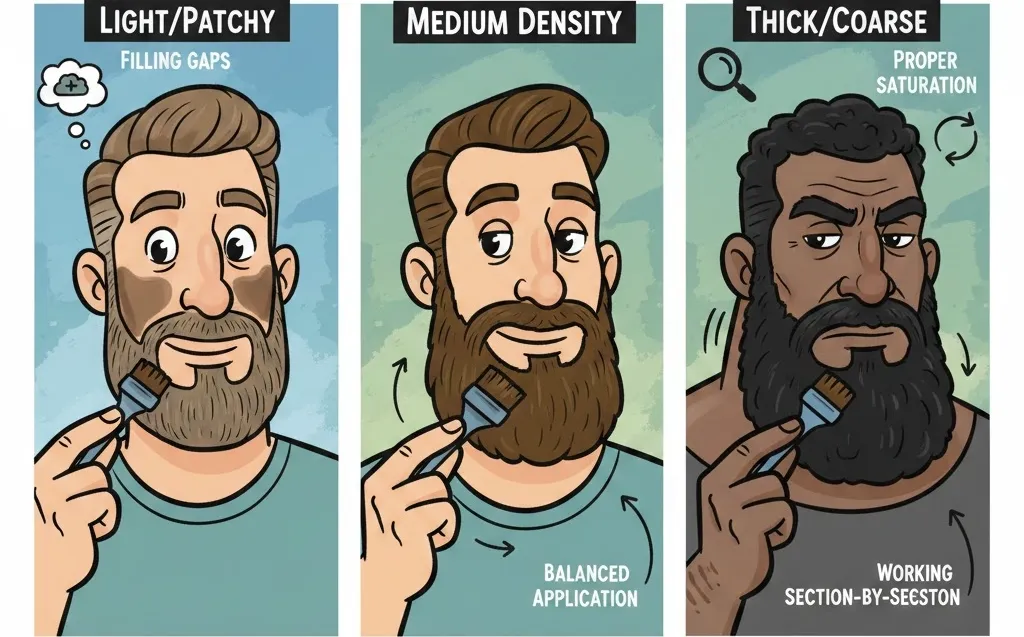
If you have a sparse or patchy beard, you probably struggle with uneven texture and visible skin gaps. Light beards reflect more light, which often makes gray strands look even more prominent. The good news is that brush-on color excels in this situation.
1. Filling Visible Gaps
One major advantage is that it colors both hair and underlying skin. This helps you create the illusion of fuller growth. With strategic strokes, you can gently shade lighter areas and add dimension to patchy zones. The result looks organic because the product dries to a matte finish without a heavy shine.
2. Building Gradual Coverage
Because lighter beards accept pigment quickly, start with small, controlled strokes. You can always add more depth, but starting heavy can create contrast that looks unnatural. Gentle layering gives you a soft, blended look.
3. Maintaining a Natural Appearance
Light beards benefit from leaving a touch of gray behind. This keeps your facial hair believable and prevents a monochrome look. With brush-on color, you control exactly how much coverage you maintain, and you can fine-tune the result daily.
How Brush-On Beard Color Works on Medium-Density Beards
Medium-density beards offer the easiest canvas for application. You have enough hair to create consistent coverage, but not so much bulk that the product becomes difficult to maneuver through.
1. Balanced Application
A medium-density beard absorbs product evenly, so you can follow the natural growth pattern. As you brush, the bristles glide smoothly along the strands and create a uniform finish.
2. Enhanced Color Control
You can vary intensity with simple direction changes. For a softer look, apply with lighter strokes and stop once you reach your desired tone. For a fuller and more defined look, use a firmer hand and revisit areas that need slightly more pigment.
3. Great Blend with Natural Growth
Many men with medium-density beards appreciate the subtle shaping control that brush-on color offers. You can sharpen your mustache edges, strengthen jawline lines, or define cheek curves without committing to a rigid, dyed-in appearance.
How Brush-On Color Behaves on Thick or Coarse Beards
Thick and coarse beards are striking, but they present unique challenges. The hair strands are usually wider and more textured, which means pigment must reach deeper into the layers to coat them fully.
1. Ensuring Proper Saturation
A dense beard requires slower, more deliberate strokes. Since coarse hairs absorb pigment unevenly, start by lifting the hair slightly with the brush. This opens up the strands and allows color to cling more effectively.
2. Working Section-by-Section
Break your beard into smaller segments. Move from sideburns to cheeks, then to the mustache and chin. This prevents patchiness and ensures each area receives equal attention.
3. Maintaining Comfort and Precision
Thicker beards often grow close to sensitive skin areas like the upper lip and neckline. A brush-on applicator lets you maneuver carefully without smearing or over-depositing color. This makes it more comfortable than traditional dyes that spread unpredictably.
How Beard Density Impacts Wear Duration
Beard density influences not only appearance but also how long the color lasts throughout the day.
Light Density
Because there is less hair for the pigment to cling to, color may fade slightly faster. However, since you apply smaller amounts, refreshing touchups remain quick and easy.
Medium Density
Medium-density beards offer the optimal balance, holding color consistently for 8 to 12 hours, especially when you avoid excessive rubbing or water exposure.
High Density
Thicker beards typically retain pigment well. The textured strands help the color grip more effectively. Although they need more product during application, they tend to hold it throughout the day without trouble.
Tips for Adjusting Your Technique for Different Beard Types
Regardless of density, you can optimize your results by adjusting a few application habits.
1. Select the Correct Shade
Choose a shade that complements your natural color and skin tone. If you want the most natural effect, choose a slightly lighter shade. If you want a stronger definition, select a deeper one.
2. Clean and Dry Your Beard First
Always apply on a dry, clean surface. Oils and moisturizers can interfere with pigment adherence and create uneven patches.
3. Use Controlled, Directional Strokes
Follow your beard’s natural growth pattern. This ensures a smooth blend and prevents harsh lines.
4. Leave Some Variation
A perfect block of color often appears artificial. Embrace subtle gradients. Allowing some underlying tones to show through gives your beard more depth and authenticity.
5. Build Slowly
Add color gradually. Brush-on products respond well to layering, and this helps you avoid over-application.
Get Natural-Looking Color That Works with Your Beard Density
No two beards grow the same, and your grooming routine should fit your unique style. That is exactly why Blackbeard for Men makes beard coloring simple and frustration-free. Whether your beard is light and patchy, medium and evenly filled, our brush-on formula adapts to your needs.
With just a few quick strokes, you control the coverage, shape, and depth of color. The matte finish blends smoothly with any beard density, which gives you a natural, confidence-boosting look without harsh chemicals. You can fill thin spots, soften grays, sharpen your lines, or deepen your overall tone in seconds.
Final Thoughts
Your beard density does not limit your grooming options. Instead, it guides you toward the right techniques. A brush-on beard color gives you the precision and adaptability you need to enhance your look without the complications of traditional dyes. Whether your facial hair is sparse, moderate, or thick, you can achieve a polished, natural finish with the right approach.
By understanding how the product interacts with your beard’s texture, you prepare yourself for consistently sharp results. With only a few mindful adjustments, you will enjoy a fuller, more defined, and confidently groomed appearance every day.