

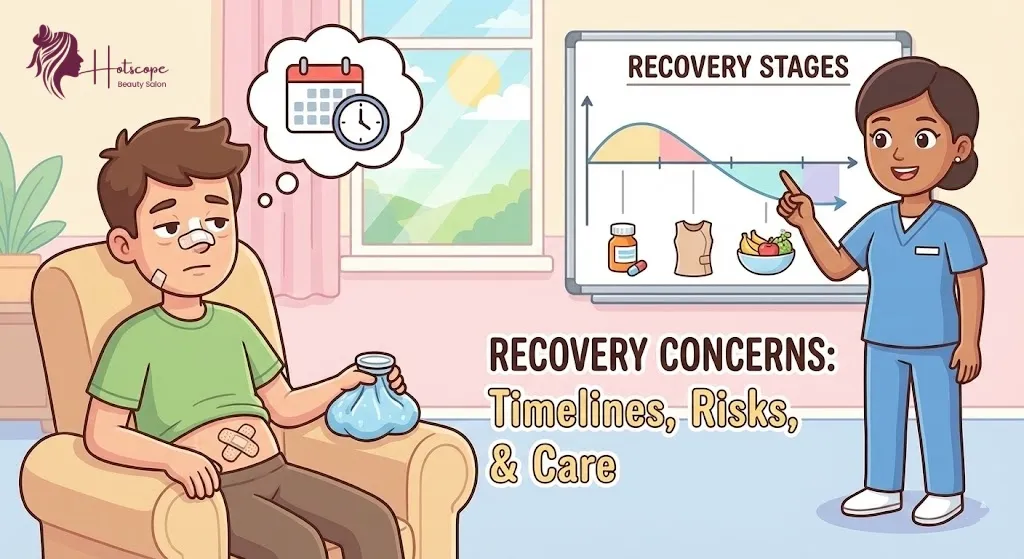
You plan for the procedure, but recovery often raises the most questions. You want to know what feels normal, what needs attention, and how long healing may affect daily life.
Common recovery concerns after cosmetic surgery include pain, swelling, bruising, temporary limits on movement, infection risk, scarring, and emotional ups and downs during healing. You may also worry about how long results take to settle and whether your experience matches expectations.
Recovery looks different for every procedure and every body. Your health, the type of surgery, and how closely you follow aftercare instructions all shape how smoothly you heal and how confident you feel along the way.
Key Takeaways
- You can expect physical symptoms like swelling, discomfort, and fatigue during healing.
- Recovery varies based on procedure type, personal health, and aftercare habits.
- Clear expectations reduce stress and support better long-term results.
Key Recovery Concerns and Physical Symptoms
After cosmetic surgery, your body moves through predictable stages of healing that affect comfort, appearance, and daily function. Managing swelling, pain, incisions, and sensory changes supports proper tissue repair and reduces avoidable complications during post-operative care.
Swelling and Bruising Management
Swelling and bruising appear in most cosmetic procedures and usually peak within the first week. These responses reflect normal tissue trauma and increased blood flow during wound healing. Your plastic surgeon may recommend compression garments to limit fluid buildup and support affected areas.
You can reduce swelling by keeping the surgical area elevated and limiting salt intake. Cold compresses often help during the first 48 hours, but you should avoid direct pressure on incisions.
Common strategies include:
- Wearing a compression garment as directed
- Avoiding strenuous activity during early healing
- Maintaining steady hydration
Bruising fades gradually as blood pigments break down, often changing color before clearing.
Pain and Discomfort After Surgery
Pain and discomfort vary by procedure, treatment area, and your pain tolerance. Most patients describe soreness, tightness, or pressure rather than sharp pain. These sensations usually improve within days as inflammation decreases.
Pain management often combines medication and activity adjustments. Your surgeon may prescribe short-term pain relievers and recommend gentle movement to prevent stiffness.
| Pain Control Method | Purpose |
| Prescribed medication | Controls acute pain |
| Over-the-counter options | Manages mild discomfort |
| Rest and positioning | Reduces strain on tissues |
Always follow dosing instructions and report escalating pain promptly.
Incision and Wound Care
Proper incision care protects against infection and supports efficient wound healing. You should keep incisions clean, dry, and covered as instructed during early recovery. Avoid applying unapproved products that may irritate healing skin.
Your surgeon will specify when you can shower and how to change dressings. Hands should always be clean before touching the area.
Key wound care practices include:
- Inspecting incisions daily for redness or drainage
- Avoiding sun exposure on healing skin
- Wearing compression garments when advised
If concerns arise, consult your care team or a Toronto-based plastic surgeon .
Scar Healing and Numbness
Scar healing continues for months as collagen reorganizes and skin strength improves. Early scars may appear raised or firm, then soften and fade with time. Consistent incision care directly affects scar quality.
Temporary numbness often occurs when small nerves stretch or swell during cosmetic surgery. Sensation typically returns gradually as tissue repair progresses, though timelines vary.
You may support scar healing by:
- Using silicone-based products if approved
- Avoiding tension on incisions
- Protecting scars from UV exposure
Persistent numbness or worsening texture should be reviewed during follow-up visits.
Factors Influencing the Recovery Process
Your recovery depends on the procedure type, how closely you follow medical guidance, and how well you support your body and mental health. Healing speed, comfort levels, and the timing of final results vary across patients and procedures.
Recovery Timelines by Procedure
Your recovery timeline changes based on the surgical scope and technique. Breast augmentation recovery often allows light activity within one week, while swelling may last several weeks. Facelift recovery and facial rejuvenation procedures usually require two to three weeks before social activities, with final results developing over months.
Body contouring procedures involve longer recovery periods. Tummy tuck (abdominoplasty) and liposuction recovery commonly need several weeks of restricted movement and compression garments. Rhinoplasty and eyelid surgery may show visible swelling for weeks, even though pain remains mild.
| Procedure | Typical Initial Recovery | Final Results |
| Breast augmentation | 1–2 weeks | 2–3 months |
| Facelift | 2–3 weeks | 3–6 months |
| Tummy tuck | 4–6 weeks | 6–12 months |
Importance of Post-Operative Instructions
You protect your safety and results by following post-operative instructions exactly. These guidelines control swelling, reduce infection risk, and support proper wound healing. Skipping steps often extends the recovery duration.
Common instructions include wound care, activity limits, and medication schedules. Follow-up appointments and follow-up visits allow your surgeon to track recovery milestones and adjust care. Surgeons may also recommend scar management techniques or laser therapy to improve healing quality.
You should treat post-surgical care as part of the procedure itself. Consistent adherence supports patient care standards and lowers complication risks during plastic surgery recovery.
Nutritional Support and Hydration
Your body needs fuel to repair tissue during post-surgery recovery. Hydration supports circulation, reduces constipation from pain medication, and helps manage swelling. Aim for steady fluid intake rather than large amounts at once.
Choose nutritious foods that provide protein, vitamins, and minerals. Lean protein aids tissue repair, while fruits and vegetables support immune function. Avoid excess sodium, which can worsen swelling during the recovery period.
You should discuss supplements with your surgeon. Some products interfere with healing or medications, even if they seem harmless.
Emotional Well-Being During Recovery
Your emotional well-being affects how you experience the recovery process. Mood swings, fatigue, and self-doubt often appear during early healing, especially after visible procedures like facelift recovery or rhinoplasty.
You may feel impatient as swelling delays final results. This response remains common and temporary. Regular communication during follow-up visits helps you stay grounded in realistic expectations.
You can support emotional health by resting, limiting social pressure, and tracking small recovery milestones. Stable mental health improves adherence to recovery guidelines and overall patient safety.
Conclusion
You can expect recovery concerns such as swelling, discomfort, limited mobility, and downtime, and these vary by procedure and personal health. Recovery often takes weeks to months, so patience and realistic expectations matter.
You improve healing when you follow your surgeon’s instructions, manage activity, and support your body with rest and nutrition. Paying attention to warning signs and attending follow-up visits helps you address issues early and protect your results.